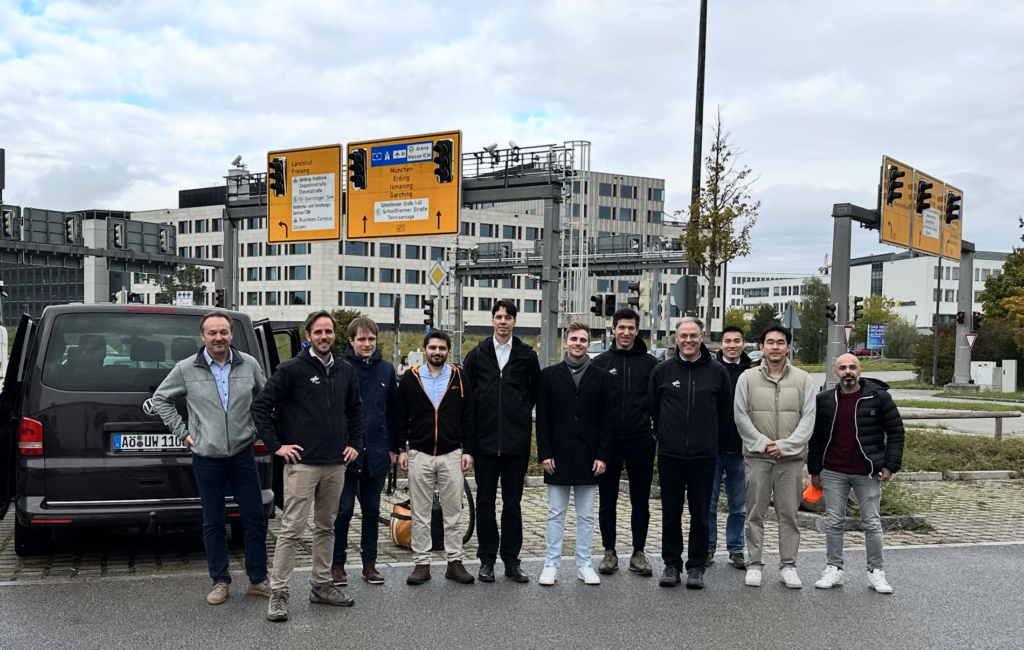
The VIDETEC-2 project successfully concluded with its Final Demonstration on October 9, 2025, marking the completion of the project and the presentation of its scientific and technical results.
The Final Demo served as a central milestone to demonstrate the achieved outcomes, validate the developed approaches under realistic conditions, and facilitate in-depth discussion among project partners and external partners.
Final Demo Overview
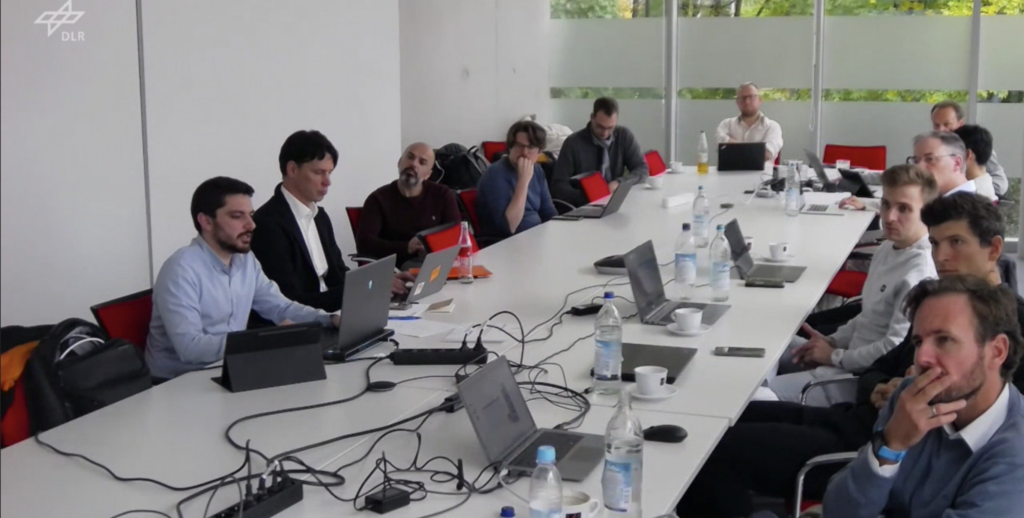
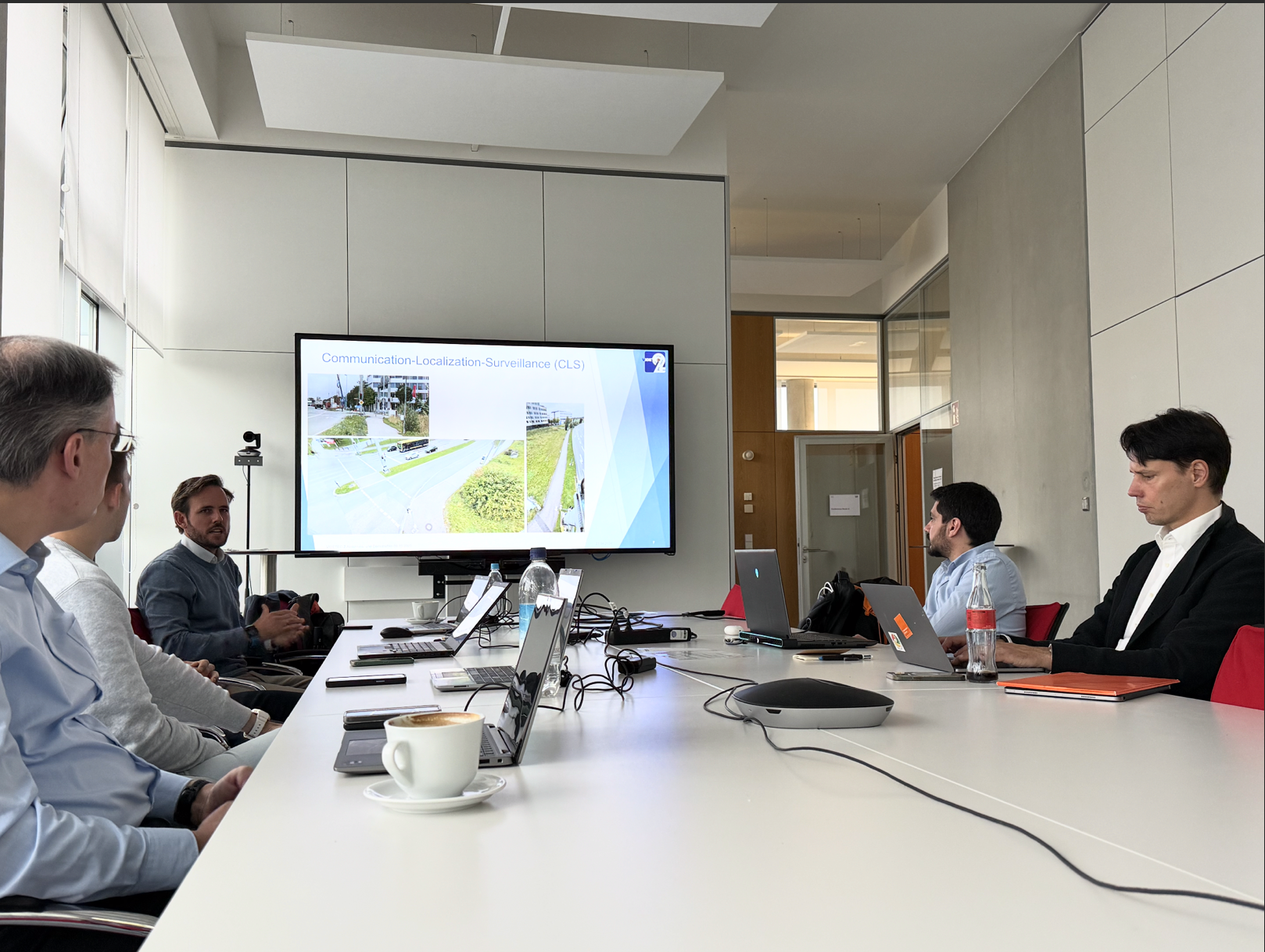
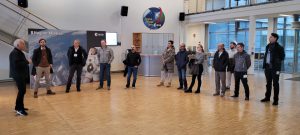
The Final Demonstration was structured as a one-day hybrid event, combining scientific exchange and practical system validation.
Morning Session – Hybrid Project Meeting
Location: TUM Garching Campus Format: On-site & online participation
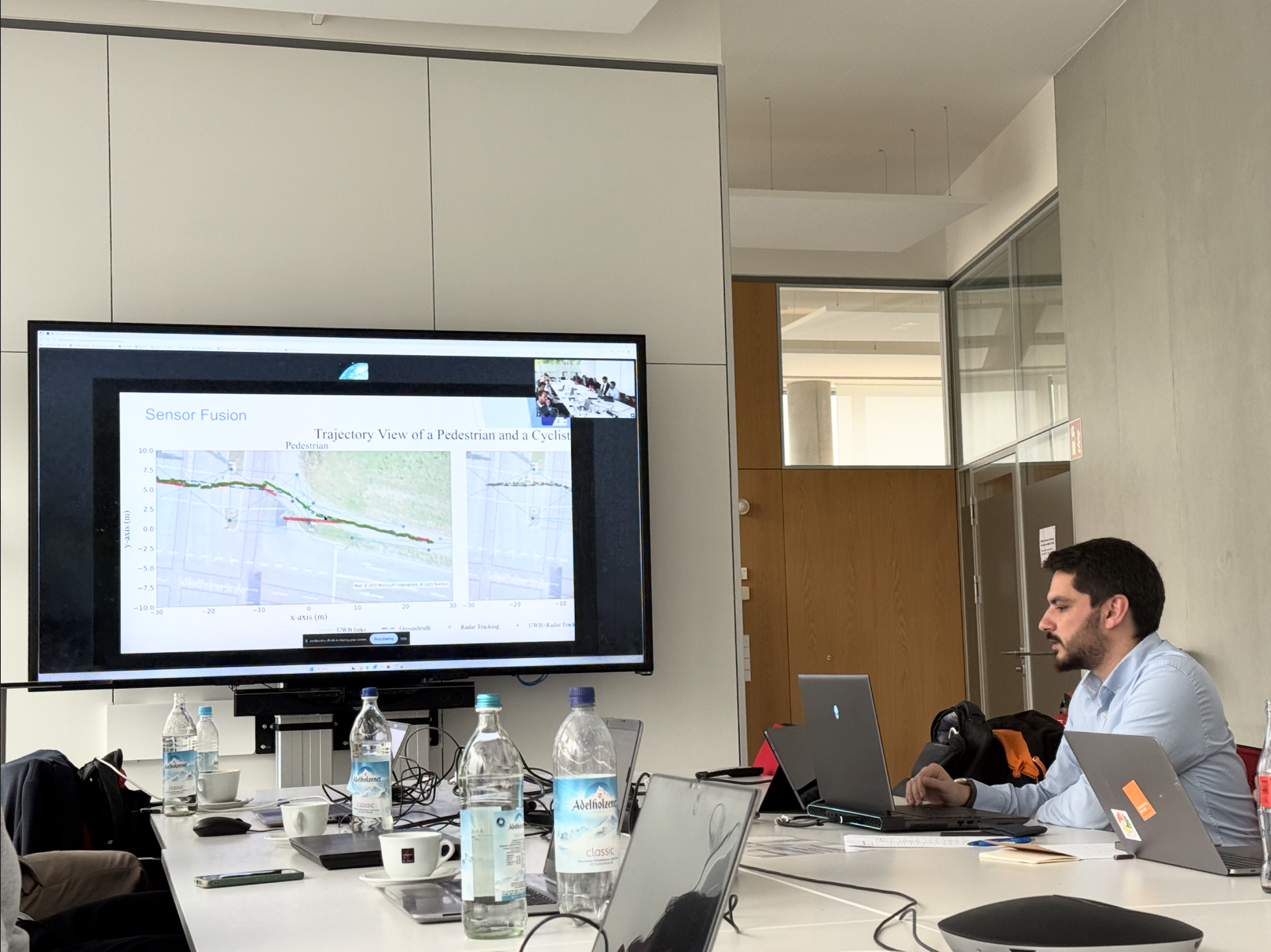
During the morning session, representatives from all project partners presented their respective contributions, including:
Progress and final results of individual work packages
System integration status and methodological insights
Joint discussion of project outcomes, challenges, and lessons learned
This session provided a comprehensive overview of the project’s scientific and technical achievements and enabled structured reflection on the project objectives.
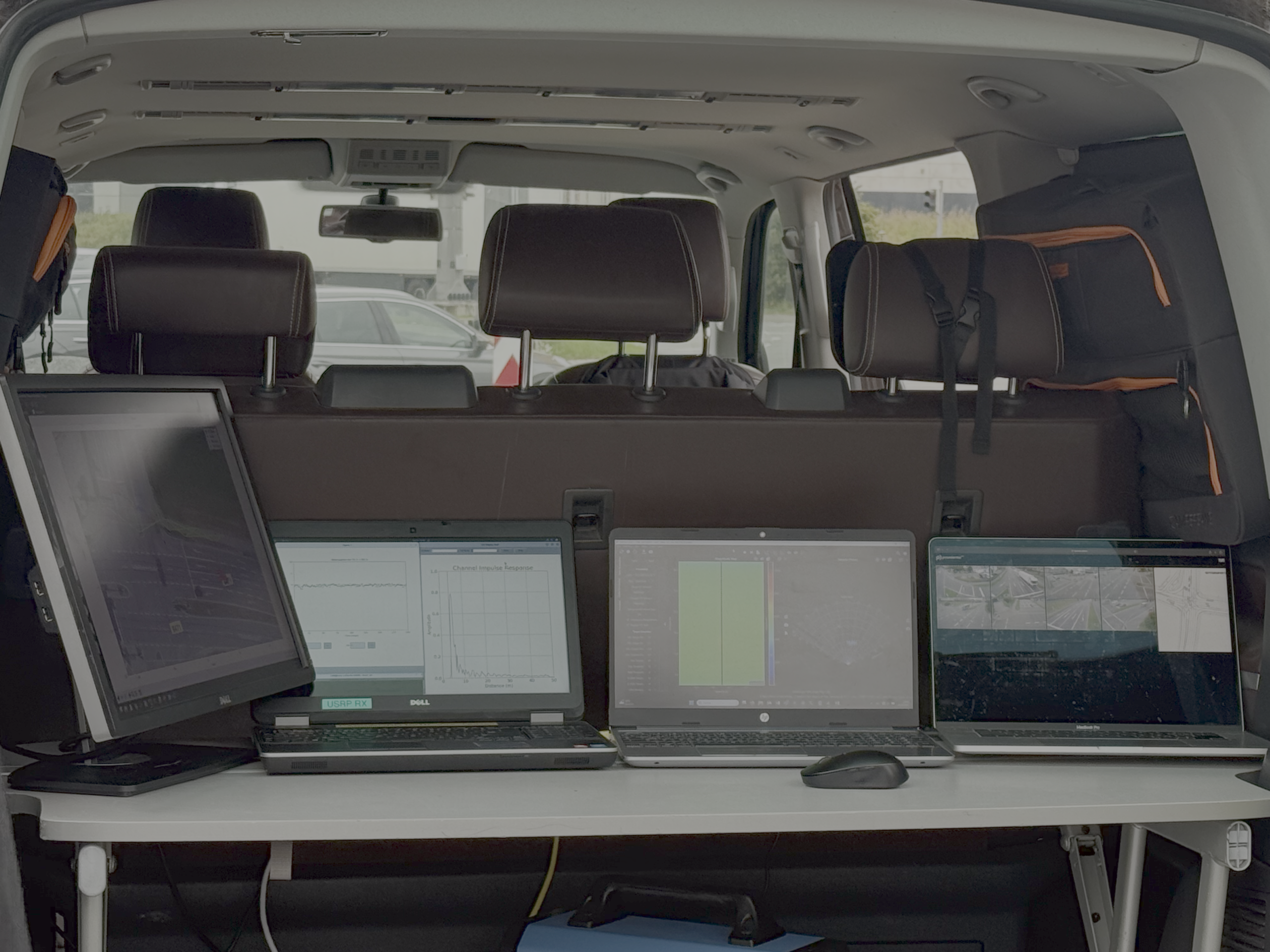
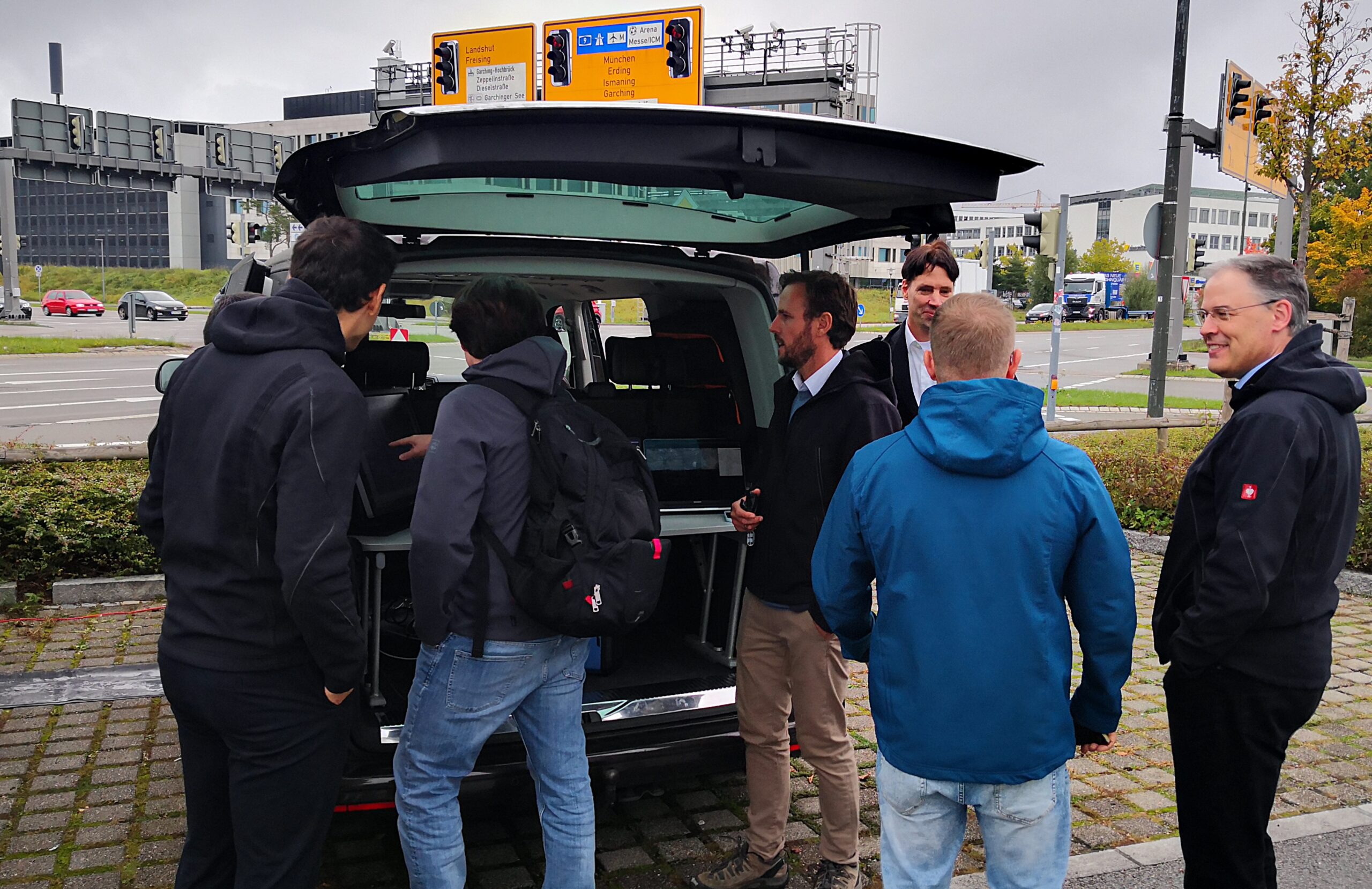
Afternoon Session – Live Demonstration at Test Site
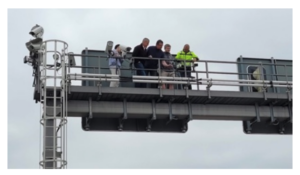
Location: Test site in Garching-Hochbrück
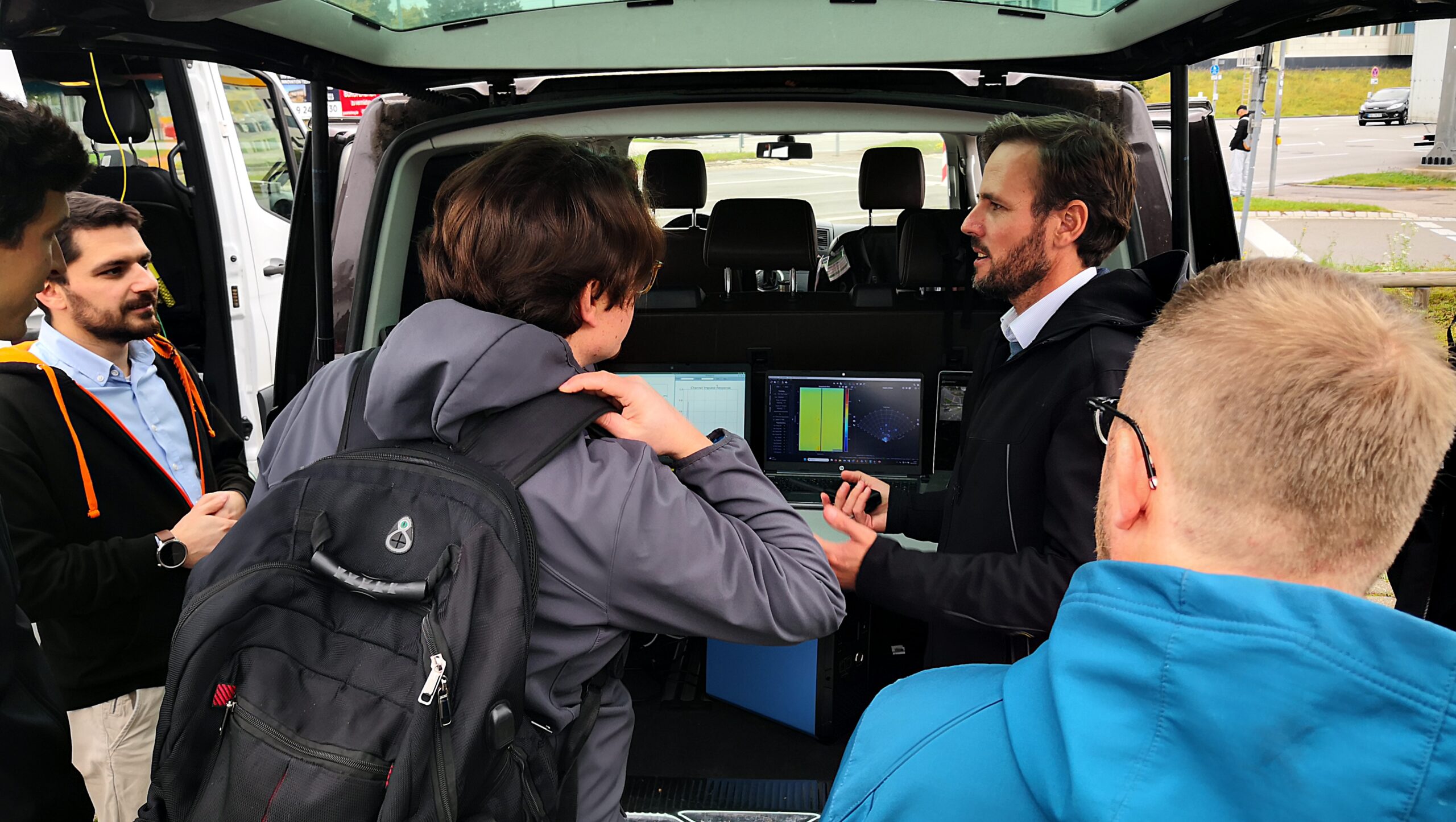
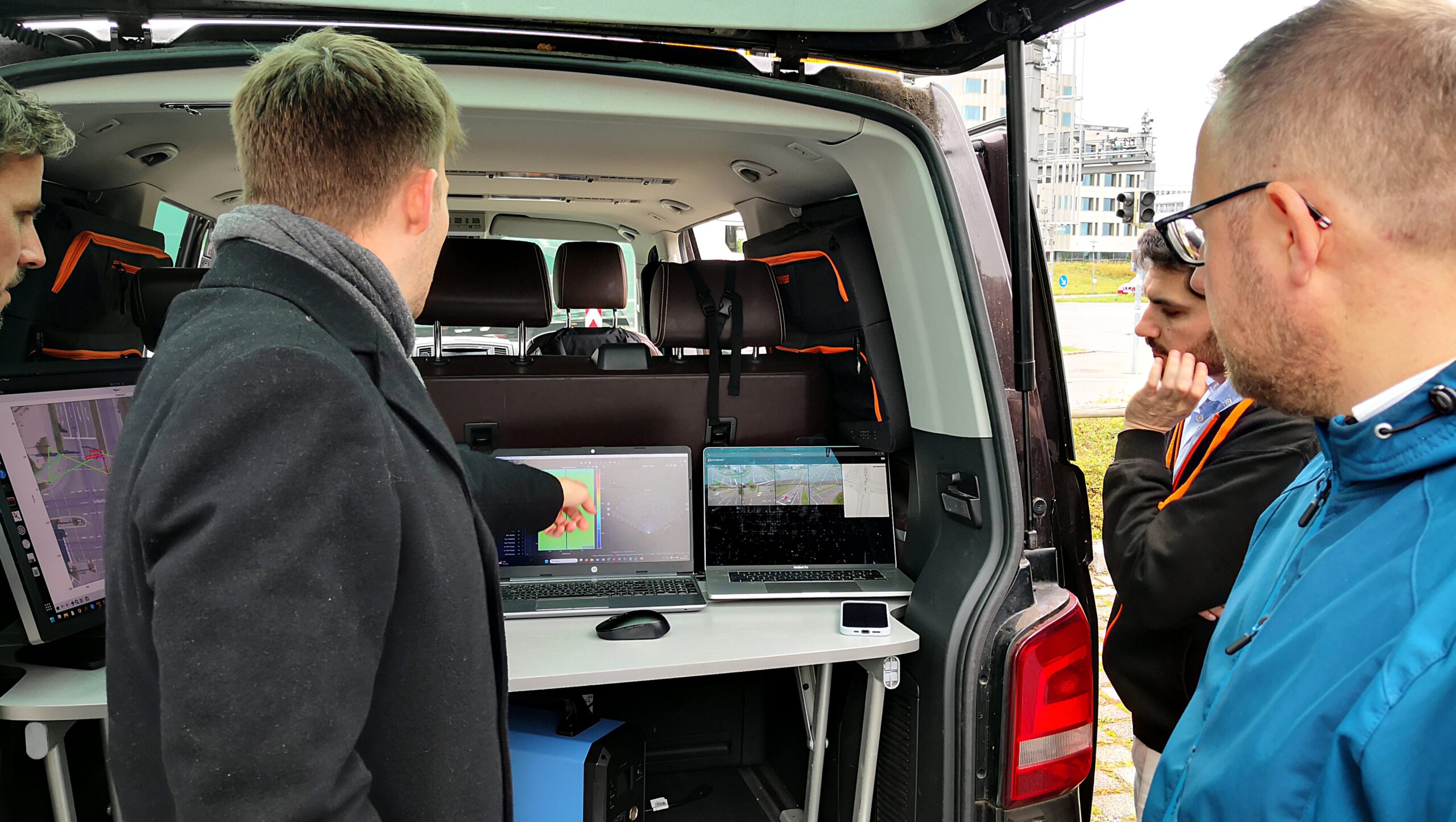
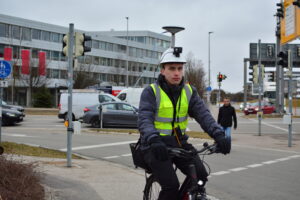
In the afternoon, a live demonstration under real-world conditions was conducted at the test site, focusing on the detection and tracking of Vulnerable Roadside Users (VRUs).
The following key components were demonstrated:
Radar-based detection and tracking algorithms, combined with Ultra-Wideband (UWB) technology, enabling reliable detection and continuous tracking of VRUs
Roadside multi-camera detection and tracking algorithms, providing a precise visual reference and validation baseline
GNSS devices worn by VRUs, delivering accurate ground-truth positioning information
The live demonstration confirmed the robustness and complementary strengths of the different sensing modalities and their suitability for roadside perception scenarios, highlighting their potential contribution to reducing accidents involving.
Scientific and Technical Results
The Final Demo highlighted the following core achievements of VIDETEC-2:
Successful integration of radar, UWB, camera, and GNSS-based sensing in a unified experimental setup
Reliable detection and tracking of vulnerable roadside users under realistic conditions
Cross-modal validation of perception results using high-precision visual and GNSS references
These results demonstrate the feasibility and scientific relevance of multi-sensor roadside perception for safety-critical traffic environments.
Multi-Sensor Dataset and Research Contribution
As part of the Final Demonstration, synchronized multi-sensor data were recorded, including:
Radar data
Camera data
Ultra-Wideband (UWB) measurements
GNSS positioning data from VRUs
After post-processing and curation, this dataset has been prepared and published in the form of a scientific publication, making it accessible to the research community. The dataset provides a valuable foundation for further research on:
Multi-sensor fusion
VRU detection and tracking
Roadside perception and safety analysis
Conclusion and Outlook
The Final Demonstration of VIDETEC-2 confirmed that the project objectives have been successfully achieved. The presented systems and results demonstrate a high level of technical maturity and scientific relevance.
Beyond the formal project end, the generated insights, methodologies, and datasets offer strong potential for:
Follow-up research projects
Methodological extensions and benchmarking
Transfer to future roadside perception and traffic safety applications